How Wealth Platforms Add Tokenized Gold to Client Portfolios

How Wealth Platforms Add Tokenized Gold to Client Portfolios
Key Takeaways
- The tokenized gold market is valued at more than $5 billion in market capitalisation, reflecting demand for fractional, 24/7-tradeable bullion exposure (CoinGecko, Tokenized Gold category, 7 Oct 2026).
- Wealth platforms that integrate tokenized gold can offer clients near real-time settlement, fractional ownership of an ounce, and transparent proof of physical backing - without the overhead of vault management.
- Regulatory frameworks in Hong Kong (SFC), Singapore (MAS), Australia (ASIC), and Canada (CSA) each treat tokenized commodities differently, requiring platforms to map token classification before launch.
- Platforms using an all-in-one infrastructure provider can shorten integration timelines considerably by leveraging pre-built custody, exchange, and compliance capabilities.
- Internal linking between tokenized gold capabilities and broader multi-asset exchange services creates a natural portfolio diversification path for existing wealth management clients.
For wealth platform operators serving high-net-worth individuals and institutional clients, tokenized gold represents one of the most compelling additions to a digital asset offering. Unlike traditional gold investment vehicles - ETFs, futures contracts, or allocated vault storage - a tokenized gold wealth platform enables clients to hold fractional positions in physically backed bullion, settle trades in real time, and maintain transparent proof of reserves on-chain.
Yet integrating tokenized gold into an existing wealth management platform is not simply a matter of adding another asset class. It requires careful consideration of custody architecture, settlement workflows, regulatory classification, and client reporting. This guide walks through the practical steps wealth platforms take to add tokenized gold to their product suite - and where infrastructure choices make the difference between a months-long build and a rapid, compliant launch.
Why Tokenized Gold Fits Wealth Portfolios
Gold has long served as a portfolio hedge against inflation, currency depreciation, and geopolitical instability. What has changed is the delivery mechanism. Gold tokenization transforms physical gold into a digital representation on a distributed ledger - a process explored in depth in our guide to digital gold and its role in modern investing, preserving the underlying asset’s value proposition while removing the friction that made it impractical for modern digital wealth platforms.
For platform operators, the commercial case centres on three dynamics:
- Client demand is proven. Central banks bought 863 tonnes of gold in 2025, following three consecutive years of purchases above 1,000 tonnes (World Gold Council, Gold Demand Trends Full Year 2025: Central Banks). Retail and institutional appetite follows the same trajectory, and clients increasingly expect their wealth platform to facilitate gold exposure without requiring a separate brokerage relationship.
- Fractional access expands the addressable market. Traditional allocated gold accounts can carry substantial minimum investments. Tokenized gold allows positions in fractions of an ounce, opening the asset class to a broader segment of the client base without compromising on physical backing.
- Operational efficiency improves margins. Settlement in tokenized gold can occur in minutes rather than the T+1 cycle that has applied to US-listed securities, including ETFs, since 28 May 2024 (SEC, T+1 settlement rule), or the days-to-weeks timeline for physical delivery. Platforms that offer instant settlement reduce reconciliation overhead and improve the client experience.
The Integration Architecture: What a Tokenized Gold Capability Requires
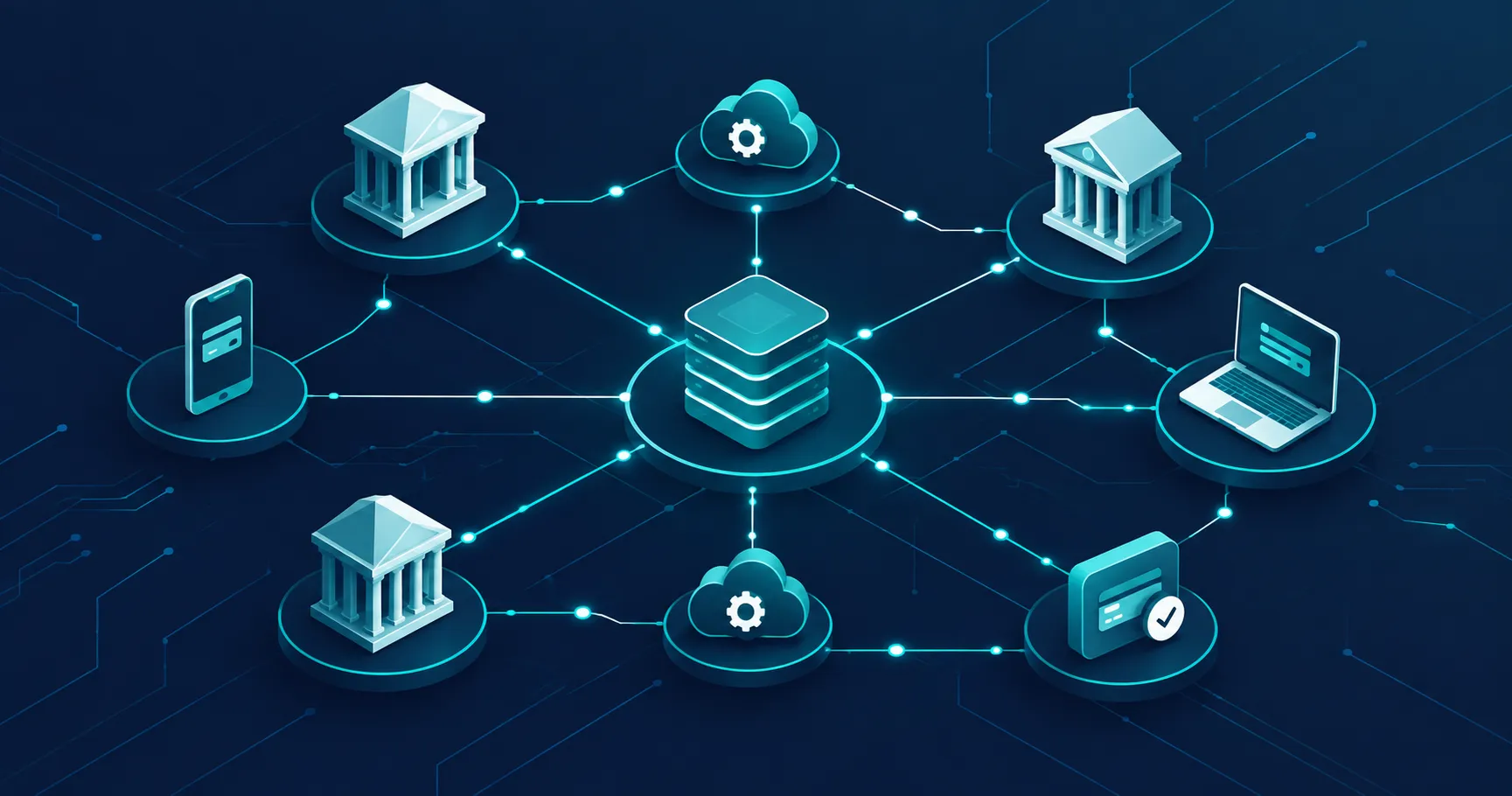
Adding tokenized gold to a wealth platform involves four interconnected layers. Each layer must work in concert to deliver a seamless client experience while satisfying regulatory requirements across the jurisdictions in which the platform operates.
1. Custody and Vault Verification
Every tokenized gold product must be backed by physical bullion stored in accredited vaults. Platforms need to establish or connect to a custody arrangement that provides real-time proof of reserves - a foundational capability of digital tokenised precious metals - typically through independent third-party attestations published on a regular cadence. The custody layer must also handle segregation of client assets, which platforms should confirm against local custody rules in each market they serve. Aerapass is licensed in four major wealth centers - Hong Kong, Singapore, Australia and Canada.
2. Multi-Asset Exchange Connectivity
Tokenized gold does not exist in isolation. Clients expect to trade it against fiat currencies, other digital assets, and potentially other commodities within the same platform. This requires integration with a multi-asset exchange engine that supports gold token pairs alongside existing FX and crypto offerings. The exchange layer handles order matching, price discovery, and execution - and must be capable of operating 24/7, since tokenized assets trade outside traditional market hours.
3. Compliance and Token Classification
Regulatory treatment of tokenized gold varies significantly across jurisdictions. The table below summarises the current regulatory position in four key markets:
| Market | Regulator | Key guidance | How a gold token is assessed |
|---|---|---|---|
| Hong Kong | Securities and Futures Commission (SFC) | Circular on intermediaries engaging in tokenised securities-related activities (2 Nov 2023) | Tokenised securities are treated as traditional securities with a tokenisation wrapper, so existing securities rules continue to apply. A gold token structured as a security under the Securities and Futures Ordinance, such as units in a tokenised gold fund, falls within this regime |
| Singapore | Monetary Authority of Singapore (MAS) | Guide on the Tokenisation of Capital Markets Products (last updated 14 Nov 2025); Payment Services Act 2019 | MAS looks at the economic substance of a token to decide whether it is a capital markets product under the Securities and Futures Act, and regulates tokenised capital markets products on a “same activity, same risk, same regulatory outcome” basis. Tokens outside that definition may fall under other MAS-administered Acts, such as the Payment Services Act |
| Australia | Australian Securities and Investments Commission (ASIC) | Information Sheet 225 (INFO 225) (updated Oct 2025) | Digital assets whose price references a real-world asset such as gold may be derivatives, and therefore financial products. Providing financial services in relation to them generally requires an Australian financial services (AFS) licence |
| Canada | Canadian Securities Administrators (CSA) | CSA Staff Notice 21-327 (16 Jan 2020) | Securities legislation may apply to platforms facilitating trading in crypto assets, including those that are commodities, because the user’s contractual right may itself be a security or derivative. Whether it applies depends on the facts and circumstances, including whether the platform is obliged and intends to make immediate delivery of the asset to the user |
Regulatory positions are subject to change; consult local counsel before launch.
4. Client Reporting and Portfolio Visibility
Once tokenized gold is available on the platform, clients need to see it alongside their other holdings. This means integrating gold positions into consolidated portfolio views, performance reports, and tax documentation. Wealth platforms that treat tokenized gold as a first-class asset in their reporting stack - showing real-time valuations, historical performance, and allocation percentages - create a materially better client experience than those that relegate it to a separate interface.
Build vs. Infrastructure Partner: The Platform Operator’s Decision
Wealth platform operators face a fundamental choice when adding tokenized gold: build the entire stack in-house, or integrate with an infrastructure provider that already handles custody connectivity, exchange mechanics, compliance tooling, and reporting.
Building in-house offers maximum control but demands significant investment. A platform must source vault partnerships, build or license exchange technology, implement compliance workflows for each jurisdiction, and maintain the stack over time as regulations evolve. An in-house build for a multi-jurisdictional tokenized asset capability is typically a multi-month project that requires dedicated engineering, compliance, and operations resources.
An infrastructure partner approach compresses that timeline considerably. Aerapass’s multi-asset exchange platform, for example, provides pre-built connectivity for precious metals trading alongside FX, crypto, and other digital assets. Because the custody, compliance, and settlement layers are already integrated within the platform, operators can add tokenized gold to their offering without rebuilding their core architecture. The all-in-one platform approach also means that tokenized gold immediately inherits the platform’s existing KYC/AML workflows, client management tools, and reporting capabilities.
Exploring tokenized gold for your wealth platform? Aerapass’s precious metals infrastructure enables tokenized gold integration - from custody to settlement in a single compliance-ready stack. Explore our precious metals solutions
A Practical Implementation Roadmap
For wealth platforms ready to add tokenized gold, the following is an illustrative sequence when working with an infrastructure partner. Actual timelines vary by platform:
- Regulatory mapping (Week 1-2). Identify how tokenized gold is classified in each jurisdiction where the platform operates. Determine licensing requirements and any restrictions on marketing tokenized commodities to retail vs. professional investors.
- Custody arrangement (Week 2-3). Confirm the physical gold custody model - whether the infrastructure provider connects to accredited vaults directly or the platform must establish its own custody relationship. Verify proof-of-reserves reporting cadence and format.
- Exchange integration (Week 3-4). Connect the tokenized gold capability to the platform’s existing trading interface. Configure trading pairs (e.g., XAU/USD, XAU/SGD, XAU/AUD), set minimum order sizes, and define settlement parameters.
- Compliance configuration (Week 3-4). Map the platform’s existing KYC/AML workflows to tokenized gold transactions. Implement transaction monitoring rules specific to commodity tokens, including any jurisdiction-specific reporting obligations.
- Client reporting integration (Week 4-5). Add tokenized gold to portfolio dashboards, performance reports, and tax documentation. Ensure gold positions display alongside other asset classes with real-time valuations.
- Testing and launch (Week 5-6). Run end-to-end testing across buy, sell, and settlement flows. Validate regulatory reporting. Conduct a staged rollout - typically starting with professional or accredited investors before expanding to the broader client base.
What to Evaluate in an Infrastructure Provider
Not all infrastructure providers are equal when it comes to tokenized gold capabilities. Wealth platform operators should evaluate potential partners against these criteria:
- Multi-jurisdictional licensing. Does the provider hold or facilitate licences in the jurisdictions where you operate? A provider licensed in four major wealth centers - Hong Kong, Singapore, Australia and Canada - can reduce the number of separate regulatory arrangements a platform needs in each market.
- Integrated custody and settlement. Can the provider connect to accredited vault operators and handle settlement within the same platform, or does the platform need to manage custody independently?
- Multi-asset support. Does the provider support tokenized gold as part of a broader multi-asset exchange that includes FX, crypto, and other commodities? Platforms benefit from a unified trading infrastructure rather than point solutions for each asset class.
- Compliance tooling. Does the provider offer built-in KYC/AML, transaction monitoring, and regulatory reporting for tokenized commodity transactions?
- Reporting and client experience. Can tokenized gold positions be integrated into consolidated portfolio views and performance reports through the provider’s existing client management tools?
The Portfolio Diversification Opportunity
For wealth platform clients, tokenized gold serves as more than an alternative investment. It is a strategic portfolio component - and whether it makes sense for specific client profiles is explored in our analysis of tokenized gold as an investment that offers low correlation with equities, a hedge against currency depreciation, and a store of value during periods of market stress. Gold reached multiple record highs during 2025 (World Gold Council, Gold Demand Trends Full Year 2025), and leading gold-backed tokens such as PAX Gold and Tether Gold were trading above $4,000 per token at early-October 2026 prices (CoinGecko, 7 Oct 2026).
By making tokenized gold available alongside traditional and digital assets on a single platform, wealth operators provide clients with a genuinely diversified portfolio construction toolkit. The platform becomes more valuable to each client - and more defensible against competitors offering narrow, single-asset-class products.
Next Steps
Ready to add tokenized gold to your platform? Aerapass’s multi-asset exchange supports tokenized precious metals trading alongside FX, crypto, and other digital assets - all within a single, compliance-ready infrastructure. Explore our precious metals solutions
The content on this page is produced by Aerapass for general informational purposes only and does not constitute financial advice, investment advice, or any other form of professional advice. Aerapass is a technology platform provider serving financial institutions, wealth managers, and fintech companies. Before making any financial decision, you should consult with a qualified, licensed financial advisor who can take your individual objectives and circumstances into account.